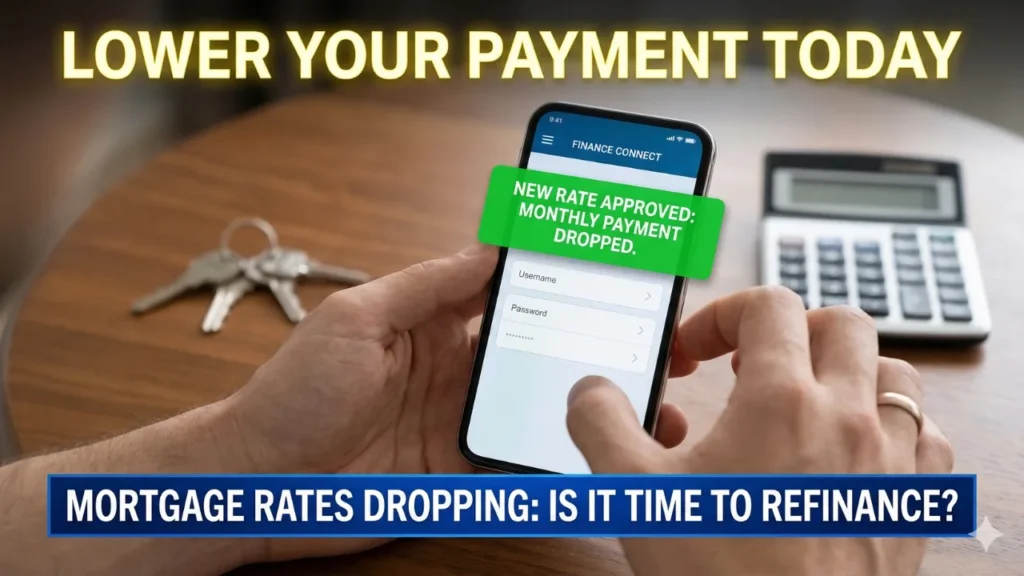
Millions of American homeowners have spent the last few years locked into aggressively high interest rates. As economic conditions finally begin to shift and rates show signs of cooling, the opportunity to slash your monthly housing payment is officially here.
If you want to keep hundreds of extra dollars in your bank account every single month, finding the best mortgage refinance 2026 has to offer is your smartest financial move today. Here is the ultimate guide to restructuring your home loan, lowering your interest rate, and avoiding hidden bank fees in the process.
$5000 Monthly Retirement Income in 2026: Real Cost Breakdown and Planning Insights
How to Secure the Best Mortgage Refinance 2026
The most critical mistake homeowners make is accepting the very first offer from their current loan servicer out of pure convenience. To truly lock in the best mortgage refinance 2026, you must actively shop around and compare official loan estimates from at least three different institutions, including local credit unions and online lenders.
When you receive these official estimates, do not just look at the shiny new monthly payment. You must heavily scrutinize the “Section A” origination charges. Some lenders will artificially lower your advertised interest rate by charging you thousands of dollars in upfront discount points, which completely eats into your actual savings.
2026 Tax Season Update: IRS Refunds Rise as Early Filing Activity Slows
Furthermore, you must accurately calculate your personal break-even point. If a new lender charges you $4,000 in total closing costs, but the new lower rate only saves you $100 a month, it will take you 40 months just to break even on the transaction. If you plan to sell the house and move to a new city before those 40 months are up, refinancing is actually a terrible financial decision that will cost you money.
Frequently Asked Questions (FAQs)
Tax Refund Delays 2026: Why Your IRS Check Is Late
What credit score is needed for the best mortgage refinance 2026?
Generally, a clean credit score of 740 or higher will unlock the absolute lowest advertised interest tiers, though many federal government programs (like FHA loans) accept scores down to 620.
Should I choose a 15-year or a 30-year loan term?
A 15-year term offers significantly lower interest rates and saves you massive amounts of money long-term, but your mandatory monthly payment will be much higher than a traditional 30-year stretched loan.
What exactly is a cash-out refinance?
This popular strategy allows you to replace your current loan with a much larger one, taking the difference in physical cash. Homeowners use this tax-free cash to pay off high-interest credit cards or fund major home renovations.
Do I need to pay for another home appraisal?
In most cases, yes. The bank needs a licensed appraiser to confirm the current market value of your property to ensure you have enough equity (usually at least 20%) to qualify for the new loan terms.
Can I roll the closing costs directly into the new loan?
Yes. Most major lenders allow you to finance the closing costs so you bring zero out-of-pocket cash to the closing table, but you must remember that this will slightly increase your total principal loan balance.

Diana Luci is a U.S.-based Latest and financial news writer covering Social Security, IRS tax updates, SNAP benefits, Medicare, and government assistance programs. She focuses on simplifying complex financial and policy topics into clear, easy-to-understand information for everyday readers.