As autonomous ride-hailing services become a permanent fixture in major American cities like Los Angeles, Phoenix, and San Francisco, the national conversation surrounding Waymo vehicle passenger privacy has officially reached a boiling point. What was originally celebrated by commuters as the ultimate private travel experience riding without a human driver listening to your phone calls is now facing intense scrutiny.
Following a series of leaked documents and controversial police interventions, everyday riders and cybersecurity experts are raising serious red flags about what happens to the data recorded inside the cabin.
Here is a complete breakdown of why American consumers are suddenly questioning the privacy practices of the nation’s leading robotaxi service.
Read Also-GTA Online Kortz Center Heist: The Ultimate 2026 Summer Update Guide
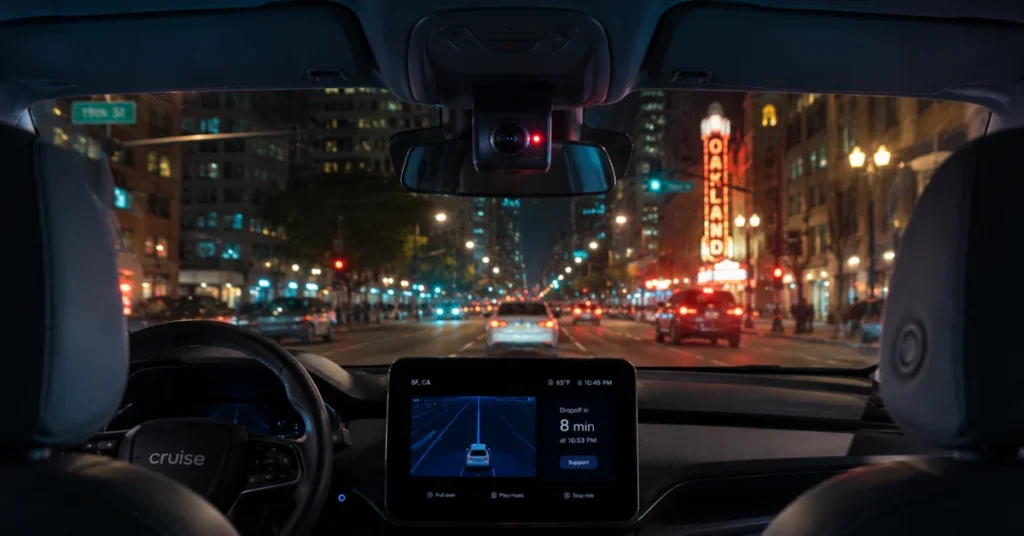
The Generative AI Threat to Waymo Vehicle Passenger Privacy
The biggest shockwave to the autonomous vehicle industry recently came from the discovery of a draft privacy policy that outlined aggressive new data collection strategies. A prominent security researcher revealed that Waymo was considering using interior camera footage potentially linked directly to rider identities for two highly controversial purposes:
- Training Generative AI: The company explored using deeply personal in-cabin data, including facial expressions, body language, and passenger behaviors, to train massive generative AI models.
- In-Vehicle Targeted Ads: The draft policy suggested that this internal data could be shared to deliver hyper-personalized advertisements to riders during their trips.
This revelation caused an immediate backlash on technology forums and social media. Privacy advocates argue that there is a massive power imbalance at play. Unlike external sensors that merely map the road, interior cameras capture deeply intimate moments. Turning the back seat of a taxi into a data-harvesting zone for AI and advertising fundamentally alters the trust between the service and the consumer.
Read Also-Nolan Wells Update: Ben Crump Retained as Family Seeks Answers in Horn Island Tragedy
The San Mateo Incident: When Your Car Calls the Cops
Beyond targeted advertising, riders are also worried about their vehicles acting as active law enforcement informants. The privacy debate intensified heavily after an incident in San Mateo, California, where Waymo’s automated systems flagged suspicious behavior inside a vehicle and directly alerted local police.
Authorities intercepted the robotaxi and apprehended two 15-year-old passengers who were allegedly drinking alcohol and shooting toy guns out of the windows. While no one disputes that the teens were violating the rules, the incident forced passengers to confront a stark reality: they are constantly being watched.
This has opened up a massive gray area in tech ethics. While Waymo has a duty to protect its property and ensure public safety, privacy experts worry that these safety protocols could easily morph into blanket, indiscriminate surveillance. Google’s own transparency reports note hundreds of thousands of government requests for user data worldwide, making riders wonder exactly what threshold of “bad behavior” triggers a police response from a driverless car.
As autonomous vehicles continue to scale across the country, it is clear that state regulators and tech companies urgently need to establish strict, transparent boundaries regarding what can and cannot be done with your in-cabin data.
Read Also- Mitch McConnell Ambulance Stretcher Video: New Details Emerge on Senator’s Health Crisis

Diana Luci is a U.S.-based Latest and financial news writer covering Social Security, IRS tax updates, SNAP benefits, Medicare, and government assistance programs. She focuses on simplifying complex financial and policy topics into clear, easy-to-understand information for everyday readers.