The latest update on DWP Cold Weather Payment has caught the attention of many households across the UK. With freezing temperatures affecting several regions, questions are rising about who qualifies and when payments are triggered.
As winter conditions continue in parts of the country, understanding how the Cold Weather Payment works can help families prepare.
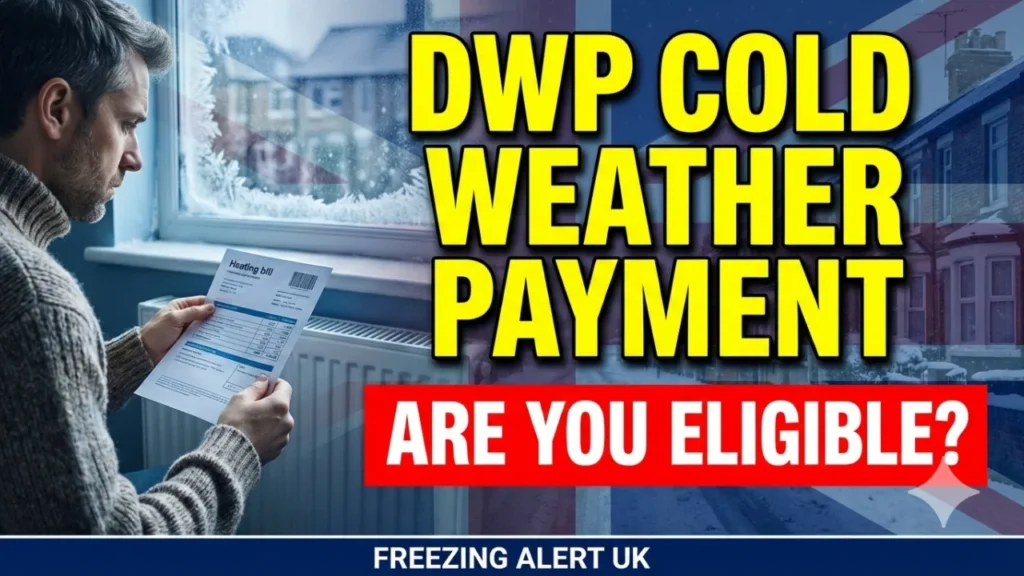
What Is the DWP Cold Weather Payment?
The DWP Cold Weather Payment is a government support scheme designed to help vulnerable households during periods of extremely cold weather.
It provides financial assistance when temperatures drop to very low levels for a sustained period.
The payment aims to help cover increased heating costs during harsh winter conditions.
When Is a Cold Weather Payment Triggered?
A Cold Weather Payment is triggered when:
- The average temperature in your area falls to 0°C or below
- The cold spell lasts for seven consecutive days
- Your postcode area is officially recorded as meeting the criteria
When this happens, eligible households automatically receive support.
How Much Is the Payment?
Each time the cold weather criteria are met, eligible households receive a fixed payment.
The amount is usually paid per qualifying cold period. If multiple cold spells occur, households may receive more than one payment.
Payments are made automatically and do not require a separate application.
Who Is Eligible?
You may qualify for the DWP Cold Weather Payment if you receive certain benefits, such as:
- Pension Credit
- Income Support
- Income-based Employment and Support Allowance
- Universal Credit (with specific conditions)
- Support for Mortgage Interest
Eligibility often depends on receiving qualifying benefits during the cold spell period.
Why Has the Update Been Issued?
Recent freezing conditions in several areas have prompted official updates. As temperatures drop, the DWP confirms which postcode areas meet the criteria.
Because cold weather varies by region, not all areas qualify at the same time.
Updates help clarify:
- Which regions are affected
- Whether payments have been triggered
- When eligible households can expect funds
How and When Are Payments Made?
Cold Weather Payments are usually made within 14 working days after the qualifying cold period ends.
The payment is sent directly into the same bank account used for your usual benefits.
If you qualify, you do not need to contact the DWP unless the payment does not arrive within the expected timeframe.
What If You Think You Should Qualify?
If you believe your area met the temperature criteria but you did not receive payment:
- Check whether your postcode was officially triggered.
- Confirm that you were receiving qualifying benefits during that period.
- Contact the DWP if necessary.
Keeping benefit details updated reduces the risk of delays.
How This Helps During Winter
Heating costs often rise significantly during freezing weather. Even short cold spells can increase energy bills.
The Cold Weather Payment provides targeted support to:
- Pensioners
- Low-income families
- Disabled individuals
- Vulnerable households
This helps ease financial pressure during severe weather.
Is This the Same as the Winter Fuel Payment?
No. The Cold Weather Payment is different from the Winter Fuel Payment.
Key differences:
- Cold Weather Payment depends on temperature triggers
- Winter Fuel Payment is seasonal and not weather-dependent
- Cold Weather Payment may be received multiple times
- Winter Fuel Payment is usually paid once per year
Understanding the distinction avoids confusion.
FAQs
It is financial support for eligible households during prolonged freezing temperatures.
When temperatures stay at 0°C or below for seven consecutive days in your area.
No, payments are automatic if you qualify.
Usually within 14 working days after the cold period ends.
Yes, if multiple qualifying cold spells occur.
Final Thoughts
The DWP Cold Weather Payment remains an important safety net during harsh winter conditions. As freezing weather affects parts of the UK, eligible households may receive automatic financial support.
Staying informed about postcode triggers and benefit eligibility helps ensure you do not miss assistance during cold spells. With energy costs still a concern for many families, this support can provide timely relief when temperatures drop.

Diana Luci is a Senior Financial Analyst and Policy Researcher based in the US. She specializes in breaking down complex government updates, IRS changes, and economic trends into clear, actionable insights for everyday Americans.