As the calendar officially flips into April, the financial anxiety across the United States reaches its absolute peak. The tax day 2026 deadline is rapidly approaching, and millions of Americans are currently scrambling to locate their W-2s, 1099s, and digital receipts before the Internal Revenue Service (IRS) officially closes the filing window. Whether you are expecting a massive refund to help combat the rising cost of living or you are terrified of writing a large check to the government, procrastinating is no longer an option. If you want to protect your bank account from severe federal penalties, you need to understand the exact rules surrounding this year’s filing deadline.
What is Red Flag Warning? How to Protect Your Home from Wildfires
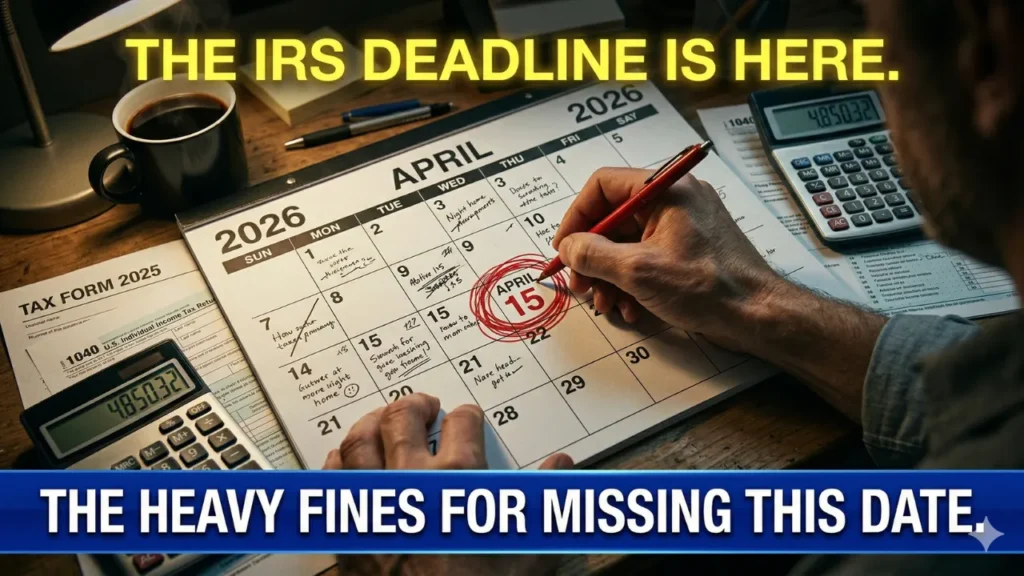
The True Cost of Missing April 15
The most common and dangerous misconception taxpayers have is that the IRS will simply be forgiving if you file a few days late. The reality is that the government is incredibly strict. If the midnight deadline on Wednesday, April 15 passes and you owe the government money, you will be hit with two separate, heavily compounding fines.
New COVID Variant 2026: Symptoms and What You Need to Know
The first is the “Failure-to-File” penalty, which is mathematically brutal. The IRS will charge you 5% of your unpaid taxes for every single month that your return is late, capping out at a massive 25%. On top of that, they will apply a “Failure-to-Pay” penalty, which adds another 0.5% each month. The most crucial takeaway here is that failing to file your paperwork is significantly more expensive than simply failing to pay the bill. Even if your bank account is completely empty and you cannot afford your tax bill right now, you must still submit your official return by the deadline to avoid the heaviest fines.
The Truth About Filing an Extension
If you have a complex financial situation perhaps you run a small freelance business or have multiple investment accounts and you simply cannot finish your paperwork in time, you have a legal lifeline. You can easily request an automatic six-month extension by filing Form 4868 directly on the IRS website. This officially pushes your filing deadline all the way back to October 15, 2026.
Apple iPad 2026 Upgrades: Is the New OLED Screen Worth the Price?
However, there is a massive trap that catches thousands of Americans every single year an extension to file is not an extension to pay. If you estimate that you will owe the government $2,000, you must physically pay that $2,000 by the April 15 deadline, even if you filed an extension for the actual paperwork. If you wait until October to send the money, the IRS will retroactively charge you months of accrued interest and late-payment penalties.
Why You Shouldn’t Wait for Your Refund
Conversely, if you mathematically know that you are owed a tax refund this year, there is absolutely no penalty for filing late. The IRS is perfectly happy to hold onto your money. However, waiting to file is an incredibly dangerous game due to the rising threat of digital identity theft.
UConn Men’s Basketball 2026: The Unstoppable March Madness Dynasty
Tax season is the absolute peak time of year for international cybercriminals. If a hacker manages to steal your Social Security number from a corporate data breach, they can quickly file a fake, fraudulent tax return in your name and steal your refund. The absolute best way to protect yourself is to file your legitimate return as early as humanly possible, effectively locking the criminals out of the IRS system before they even have a chance to strike.

Diana Luci is a Senior Financial Analyst and Policy Researcher based in the US. She specializes in breaking down complex government updates, IRS changes, and economic trends into clear, actionable insights for everyday Americans.