John Deere, one of America’s most recognized names in farming equipment, is sounding the alarm. The company warns that ongoing tariffs will cost it hundreds of millions of dollars, creating ripple effects across farms, jobs, and food prices.
The warning comes as the agricultural sector is already facing low crop prices and reduced demand. For many farmers, the situation is forcing hard choices between repairing older machines or paying more for new ones. The reality is that these tariffs are not just a business issue for Deere — they are a nationwide challenge that touches everyone from workers to consumers.
Social Security Cuts Reversed: Retro Checks Now Arriving
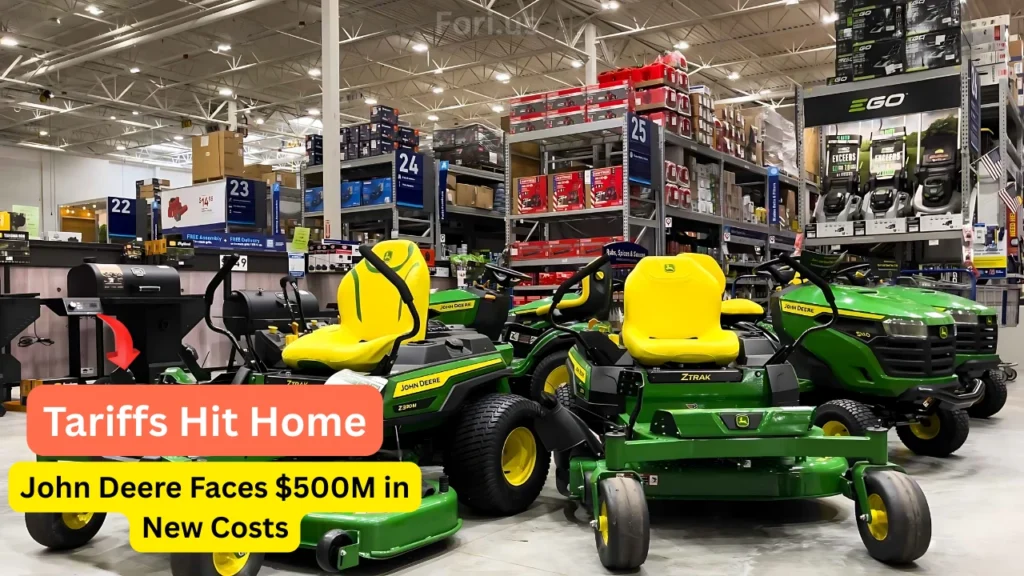
Tariffs Hit Home: Farmers, Jobs, and Food Prices at Risk
| Profit Decline | Net income fell 25% to $1.29 billion |
| Net Sales | Down 9% to $10.36 billion |
| Tariff Costs | Expected $500 million in 2025 |
| Workforce Cuts | 238 layoffs in Midwest plants |
| Impact Areas | Farmers, jobs, machinery prices, food costs |
Profits Fall as Tariffs Bite
In its latest quarter, John Deere reported a 25% drop in profits, with income falling to $1.29 billion compared to the same period in 2024. Net sales dropped 9% to $10.36 billion. The construction division was hit especially hard, with a 47% decline in profit.
So far, Deere has already spent about $300 million on extra costs tied to tariffs on steel, aluminum, and components. The company expects the total to reach $500 million by year-end if tariffs remain unchanged.
How John Deere Is Responding
John May, the CEO, said the company is working to stay flexible by aligning production with demand. Deere has also begun laying off workers to cut expenses. Recently, 238 employees were let go from plants in Illinois and Iowa.
New Format Drivers: DMV Confirms Plates Running Out
The company is reviewing supply chains, exploring whether shifting some sourcing from China to Mexico or other countries could reduce tariff exposure. Still, even though just 20% of its equipment is imported, that share accounts for 60% of its tariff costs.
Farmers Under Pressure
The burden of tariffs does not stop at Deere. Farmers across the country are also facing financial stress. Prices for corn, soybeans, and wheat have fallen by more than 30% since 2022. Chinese tariffs on U.S. soybeans have deepened the problem, leaving many with shrinking revenue.
Lower income has forced farmers to hold on to older machines rather than buying new ones. Even with Deere offering attractive financing deals, sales remain sluggish. The company had to scale back production in 2024 when too many units sat unsold.
Why Farmers Struggle to Absorb Costs
Josh Jepsen, Deere’s CFO, explained that raising prices further is risky. Farmers already face thin margins, and higher equipment costs during a depressed crop market could make matters worse. Still, with input costs rising, Deere has announced a 2% to 4% price hike on its 2026 models.
For farmers, that means higher machinery bills at a time when revenue from crops is falling. Many may pass along part of these costs to consumers in the form of higher food prices.
Goodbye Soda & Candy-6 States Ban Junk Food From SNAP 2026
Jobs on the Line
Workers are also caught in the middle of this storm. The layoffs in Illinois and Iowa could be the start of deeper cuts if tariffs remain in place. Restructuring and reduced production may ripple through local economies in farming states, hitting communities that depend on manufacturing jobs tied to agriculture.
With more than three-quarters of Deere’s suppliers based in the United States, the effect on domestic supply chains could be broad. Small and mid-sized suppliers may struggle if Deere reduces orders or production shifts abroad.
The Bigger Picture: Trade Wars and Uncertainty
The tariff battles are part of a broader stop-start trade strategy by the Trump administration. Steep tariffs on metals and components have left companies uncertain about long-term costs. Some measures have been challenged in court, but many remain active, forcing manufacturers like Deere to either absorb losses or raise prices.
For Deere, the stakes are high. If tariffs increase further, its financial challenges could intensify, with deeper effects on farms, jobs, and food prices.
What It Means for Farmers, Jobs, and Prices
The phrase Tariffs Hit Home captures the reality well:
- Farmers face higher costs for machinery even as their crop revenue shrinks.
- Workers may see more layoffs as Deere restructures to survive.
- Consumers could encounter higher food prices if farmers pass along added costs.
The hope is that trade tensions ease, giving Deere and farmers room to recover. Until then, uncertainty continues to weigh heavily on agriculture and related industries.
FAQs About Tariffs Hit Home: Deere Cuts Jobs as Costs Soar
The company expects around $500 million in tariff-related expenses this year.
Falling crop prices and retaliatory tariffs have cut farm income, leaving many unable to afford new machinery.
Yes. So far, 238 workers in Illinois and Iowa plants have been laid off to reduce costs.
Yes. Deere plans to raise prices by 2% to 4% on its 2026 models to offset rising costs.
Yes. If farmers face higher expenses, they may pass some of those costs on to consumers, raising food prices.
The story of John Deere highlights how global trade battles affect everyday life. Tariffs are not just numbers on a government chart — they impact profits, jobs, farms, and dinner tables.
With profits falling, layoffs rising, and costs soaring, Tariffs Hit Home for Deere and for millions of Americans who depend on its machinery. Whether through higher equipment bills for farmers or rising grocery prices for families, the ripple effects of tariffs are spreading.
For now, farmers, workers, and consumers alike will be watching closely to see whether trade tensions ease or intensify in the months ahead.

Diana Luci is a Senior Financial Analyst and Policy Researcher based in the US. She specializes in breaking down complex government updates, IRS changes, and economic trends into clear, actionable insights for everyday Americans.