For decades, many Americans looked forward to receiving their monthly Social Security payment in the mail. That familiar routine is changing as electronic payment methods become the standard way to receive federal benefits.
The transition is intended to improve payment security, reduce fraud, and help benefits reach recipients more reliably. Even so, the change has raised questions among retirees who are more comfortable managing paper checks than digital accounts.
If you receive Social Security or expect to claim benefits in the future, understanding how electronic payments work can help you avoid confusion and prepare for the transition.
Read Also- Social Security 2026 COLA: How Much More Could Your Monthly Check Be?
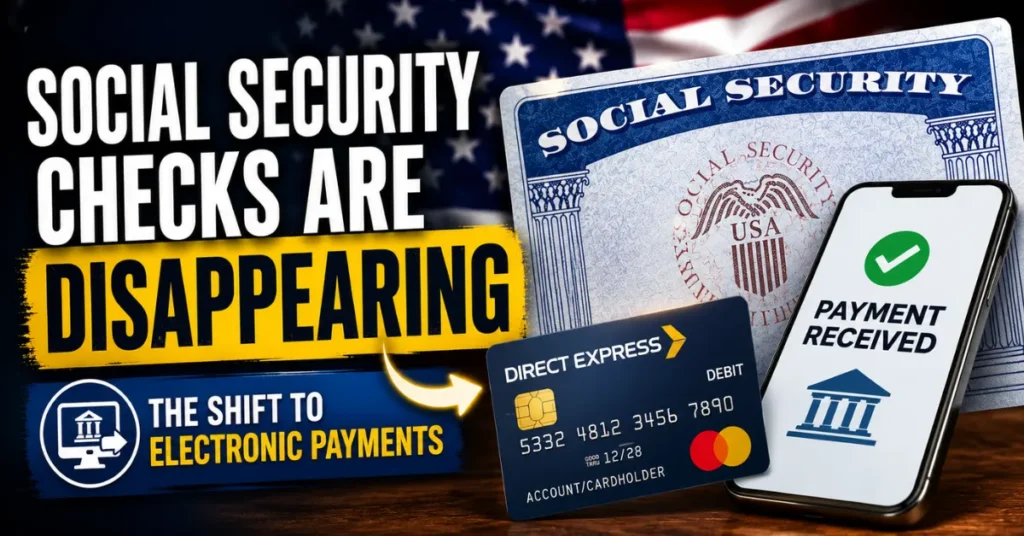
Social Security Electronic Payments: What Retirees Need to Know
| Main Change | Electronic payments becoming the standard |
| Primary Methods | Direct Deposit and Direct Express card |
| Goal | Faster, safer benefit delivery |
| Who Is Affected | Social Security and many SSI beneficiaries |
| Action Needed | Update payment information if required |
Why Social Security Payments Are Moving Online
The federal government has gradually expanded electronic payments for benefit programs over the past several years.
Unlike paper checks that can be delayed, misplaced, or stolen during delivery, electronic payments are deposited directly into an approved account or payment card on the scheduled payment date.
Officials say the change helps improve reliability while reducing the risks associated with mailing millions of paper checks every month.
How You Can Receive Social Security Benefits
Most beneficiaries now receive payments through one of two options.
Direct Deposit
Direct Deposit sends monthly benefits directly into a checking or savings account. Many recipients prefer this option because the money becomes available automatically without visiting a bank or cashing a check.
Direct Express Card
People without a traditional bank account may qualify to receive benefits through the Direct Express prepaid debit card.
Monthly benefits are added to the card automatically, allowing recipients to make purchases, withdraw cash, or pay bills without opening a checking account.
Read Also-Two SSI Payments in July? Here’s Why August Looks Different
Will Paper Checks Completely Disappear?
For most beneficiaries, electronic payments are expected to become the normal method of receiving Social Security.
However, limited exceptions may still exist for individuals who qualify under government rules.
Anyone who currently receives a paper check should review their payment method well before future deadlines to avoid unnecessary interruptions.
Why Some Retirees Are Concerned
Not every beneficiary uses online banking or digital financial services.
Older adults living in rural communities, people without internet access, and those who have always relied on mailed checks may find the transition challenging.
Some also worry about scams involving fake phone calls, emails, or text messages requesting banking information.
Because of those concerns, beneficiaries should provide payment information only through official government channels.
What Families Can Do
Family members often play an important role in helping older relatives manage benefit payments.
Simple steps include:
- Confirming that payment information is current
- Helping create or access an online Social Security account when needed
- Keeping banking information secure
- Watching for fraud attempts or suspicious communications
Providing assistance before any payment changes become necessary can make the transition much smoother.
How to Prepare Now
If you still receive paper checks, now is a good time to review your payment preferences.
Checking your account information, understanding available payment options, and knowing where to seek official assistance can help reduce stress if questions arise later.
Most beneficiaries who already receive electronic payments do not need to make any changes unless their banking information changes.
Why This Change Matters
For millions of retirees, Social Security is the foundation of their monthly budget.
Whether the money pays for rent, prescription medications, groceries, or utility bills, receiving benefits on time is essential.
The move toward electronic payments is designed to strengthen that process while reducing delivery problems and improving payment security.
Read Also- Working Retirees Could Get Full Social Security Checks Under New Proposal
FAQs
Why are Social Security paper checks becoming less common?
Electronic payments are generally faster, more secure, and less likely to be delayed or lost in the mail.
What is the most common payment method?
Direct Deposit remains the most widely used option for receiving Social Security benefits.
Can I receive benefits without a bank account?
Yes. Eligible beneficiaries may use the Direct Express prepaid debit card.
Do current electronic payment users need to do anything?
Most recipients do not need to take action unless their payment information changes.
How can I protect myself from scams?
Only share banking or personal information through official Social Security or Treasury communication channels and avoid responding to unsolicited requests.
The shift toward Social Security Electronic Payments marks an important change in how millions of Americans receive their monthly benefits. While the transition may require an adjustment for some retirees, understanding the available payment options and keeping account information up to date can help ensure benefits continue to arrive safely and on time.

Diana Luci is a U.S.-based Latest and financial news writer covering Social Security, IRS tax updates, SNAP benefits, Medicare, and government assistance programs. She focuses on simplifying complex financial and policy topics into clear, easy-to-understand information for everyday readers.