For years, online shoppers have enjoyed the absolute luxury of ordering multiple sizes or colors of a product with the clear intention of sending most of them back for free. However, the era of consequence-free online shopping is rapidly shifting. If you are a frequent buyer, understanding the new Amazon Prime return rules is essential before you click the “Buy Now” button this year.
The retail giant is quietly implementing stricter policies to combat the massive logistical costs of reverse shipping. Here is everything you need to know about the updated fees, drop-off locations, and how to ensure you still get your money back without paying extra.
USPS Stamp Price 2026: Why Your Mail Costs More
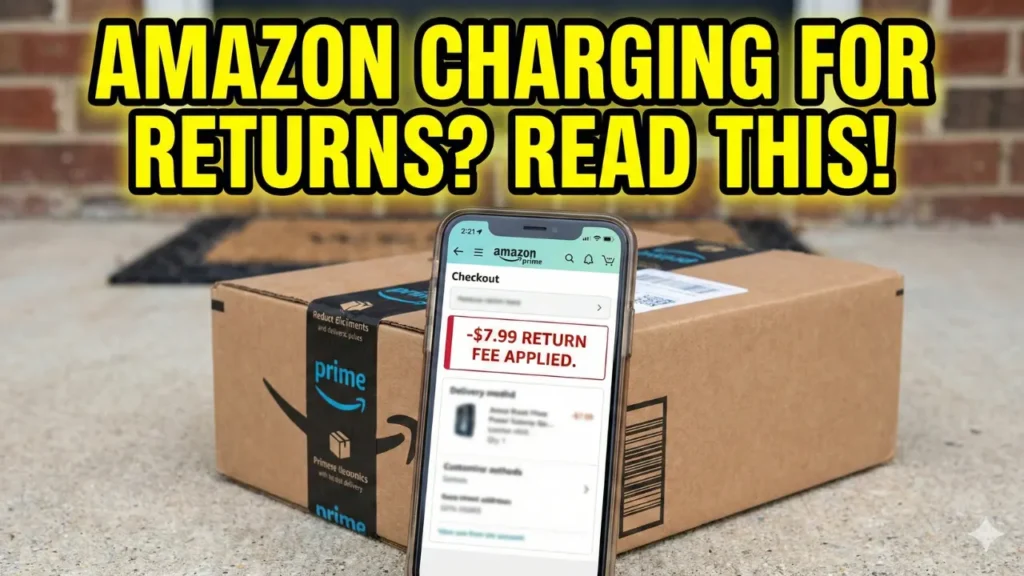
Understanding the Amazon Prime Return Rules
The biggest shift in the Amazon Prime return rules involves how you physically hand the unwanted item back to the company. Historically, you could print a label, leave the box on your front porch, and have a delivery driver pick it up for free. In 2026, that convenience is largely gone.
Now, if you request a UPS pickup from your home address, you will likely see a deduction fee taken out of your final refund amount. The company is actively charging customers for home pickups if there is a free drop-off location (like a Whole Foods or an Amazon Locker) within a specific mileage radius of their home.
Zelle Scam Refunds 2026: How to Get Your Money Back
Why is Amazon Charging for Returns?
Processing a returned item is incredibly expensive for any retailer. Between the fuel for delivery trucks, warehouse sorting, and repackaging, e-commerce companies lose billions of dollars annually to returned merchandise.
By updating their policies, the company hopes to discourage “wardrobing”the practice of buying an item to use once and returning it and encourage more eco-friendly, consolidated drop-offs. When dozens of customers bring their returns to a single grocery store, it saves the company massive amounts of money in shipping logistics.
Walmart Store Closures 2026: Is Your Local Shop Safe?
How to Always Get a Free Refund
You do not have to pay extra fees if you plan your returns strategically. To bypass the new charges, always select a consolidated drop-off point during the return process on the app or website.
Locations like Kohl’s, Staples, Whole Foods, and official Amazon Fresh stores remain completely fee-free options. In many of these locations, you do not even need to box the item or print a label; you simply show the clerk a QR code on your smartphone. Additionally, ensure you initiate your return within the standard 30-day window, as late returns are now subject to strict automated restocking fees.
TikTok Ban 2026 Update: What the New US Ownership Means
Frequently Asked Questions (FAQs)
1. Do the Amazon Prime return rules apply to third-party sellers?
Yes, but third-party sellers can have even stricter policies. Always check the specific return policy listed under the “Add to Cart” button before purchasing an item that is not shipped directly by Amazon.
2. Is it still free to drop off returns at Kohl’s or Whole Foods?
Yes. Dropping off your unboxed and unlabeled items at designated partner stores remains completely free of charge in 2026.
3. How much does a UPS home pickup cost now?
If you choose a home pickup when a free drop-off location is available nearby, the fee is typically around $7.99, which is deducted directly from your refund.
4. Why did I get a refund but Amazon told me to keep the item?
For very inexpensive or bulky items, the cost of return shipping is sometimes higher than the value of the product. In these cases, the automated system will issue your refund and tell you to keep, donate, or dispose of the item.
5. How long does it take to get my money back?
If you use a partner drop-off location with a QR code, refunds are often issued to your original payment method within hours of the scan. Mailed returns can take up to 14 days to process.
Airline Refund Rules 2026: Get Automatic Cash Back

Diana Luci is a Senior Financial Analyst and Policy Researcher based in the US. She specializes in breaking down complex government updates, IRS changes, and economic trends into clear, actionable insights for everyday Americans.