A new policy proposal is challenging a growing narrative in Washington that climate policy is politically unpopular, arguing instead that environmental action can directly address everyday economic concerns for Americans.
The initiative comes at a time when debates over climate priorities have intensified, particularly as policymakers balance environmental goals with rising costs of living and economic pressures.
Jose Piculin Ortiz Dies At 62 After Battle With Colorectal Cancer
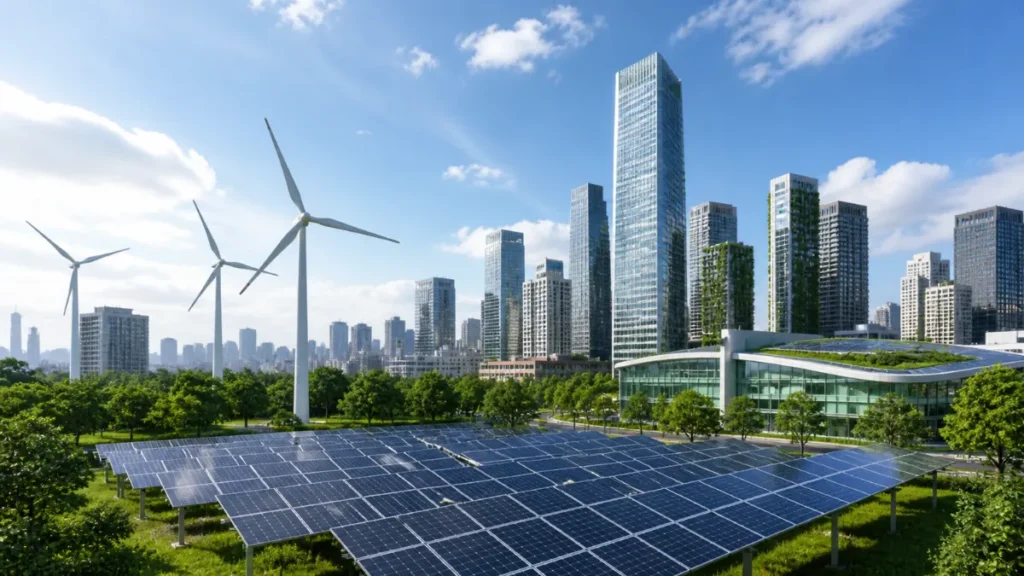
Climate Policy Framed As Economic Solution, Not Burden
The proposal, developed by a progressive policy group, aims to reframe climate policy as a tool to reduce financial strain rather than increase it. Supporters argue that climate action is closely tied to issues such as rising energy costs, housing affordability, and economic instability.
The framework suggests that environmental policies can lower household expenses by promoting cleaner energy, improving infrastructure, and reducing dependence on volatile fossil fuel markets .
Advocates believe this approach could shift public perception by connecting climate action directly to everyday concerns like utility bills, transportation costs, and job stability.
Met Gala 2026-Theme, Ticket Prices And How To Watch Fashion’s Biggest Night
New Strategy Targets Working-Class Concerns
A central focus of the proposal is what supporters describe as a “working-class climate agenda.” Rather than emphasizing long-term environmental goals alone, the plan highlights immediate economic benefits for families.
Polling data referenced in the proposal indicates that a significant majority of voters including many across political lines believe climate action can help lower the cost of living. This finding challenges the idea that climate policy is out of touch with voters’ priorities.
The proposal outlines measures such as expanding access to affordable clean energy, investing in public transit, and supporting energy-efficient housing upgrades. These policies are designed to deliver visible, short-term benefits while contributing to long-term environmental goals.
NYT Connections May 5 #1059: Hints, Answers And Full Puzzle Breakdown
Building On Past Climate Efforts While Addressing Gaps
The new approach builds on earlier initiatives like the Green New Deal but attempts to address criticisms that previous plans were too broad or difficult for voters to connect with.
Instead of focusing solely on large-scale transformation, the proposal emphasizes practical solutions that people can see and experience in their daily lives. This includes lowering utility costs, improving access to affordable transportation, and creating jobs in clean energy sectors.
Supporters argue that making climate policy more tangible could help build broader public support, especially among voters who prioritize economic stability.
Rhode Island Judge Questions Prosecutors Over Undisclosed Homicide Warrant
Political Challenges And Future Outlook
Despite growing support for the new framework, challenges remain. Critics have raised concerns about funding, regulatory approaches, and whether large-scale policy changes can gain traction in a politically divided environment.
There are also ongoing debates about balancing climate goals with economic realities, particularly in regions heavily dependent on traditional energy industries.
Still, advocates believe that aligning climate policy with economic benefits could be key to expanding its appeal. By focusing on affordability and everyday impact, the proposal aims to move climate discussions beyond partisan divides and into mainstream policy conversations.
As discussions continue, the evolving approach may shape how climate policy is presented and implemented in the years ahead.
Kellie Pickler Returns To American Idol After 3 Years For 20th Anniversary Special
Diana Luci is a U.S.-based Latest and financial news writer covering Social Security, IRS tax updates, SNAP benefits, Medicare, and government assistance programs. She focuses on simplifying complex financial and policy topics into clear, easy-to-understand information for everyday readers.