Buy Now, Pay Later services remain popular across the United States in 2026, but financial experts say many Americans are becoming more cautious about using installment-payment apps for everyday shopping.
Over the past few years, services that allow consumers to split purchases into smaller payments grew rapidly, especially among younger shoppers. However, rising debt concerns and tighter household budgets are now changing how many people use these services.
Finance analysts say consumers are becoming more aware of how small installment payments can quietly build into larger financial pressure over time.
Americans Are Spending More Time Comparing Grocery Prices Before Buying
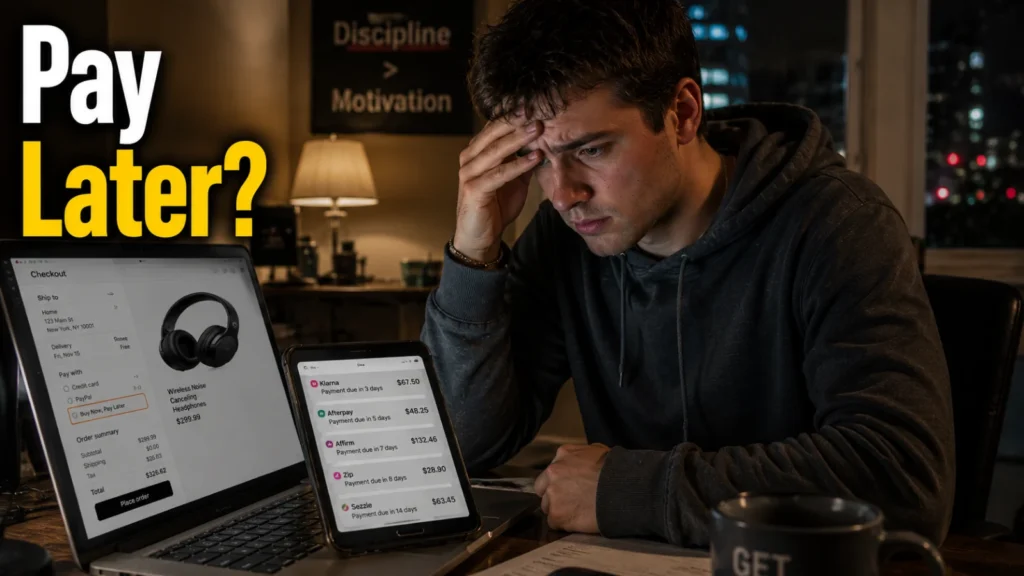
Buy Now, Pay Later Became Extremely Popular
Millions of Americans began using Buy Now, Pay Later services for purchases such as:
- Clothing
- Electronics
- Furniture
- Beauty Products
- Concert Tickets
- Travel Expenses
- Online Shopping
The payment model became especially attractive during periods of inflation because it allowed shoppers to avoid paying full prices immediately.
Many consumers viewed installment plans as easier alternatives to traditional credit cards.
Financial Experts Are Warning About Overspending
While Buy Now, Pay Later services can help some consumers manage cash flow, experts say they may also encourage impulsive spending.
Some financial professionals warn that shoppers often focus on:
- Small Weekly Payments
instead of: - Total Purchase Costs
As a result, some households may unknowingly take on multiple installment plans at the same time.
Experts say this can make budgeting more difficult, especially when combined with:
- Credit Card Bills
- Subscription Charges
- Rising Living Costs
- Everyday Expenses
Younger Americans Are Rethinking Spending Habits
Consumer behavior analysts say Gen Z and millennials are becoming more cautious about long-term debt and unnecessary purchases.
Many younger shoppers report feeling financially pressured by:
- Rent Costs
- Inflation
- Student Loans
- Food Prices
- High Interest Rates
Because of this, some consumers are now limiting installment purchases and focusing more on:
- Budget Planning
- Emergency Savings
- Lower Spending Habits
- Financial Stability
Experts believe financial awareness is growing as economic uncertainty continues in 2026.
Why More Americans Are Choosing Used Cars Instead of New Vehicles in 2026
Social Media Is Influencing Financial Decisions
Personal finance discussions across TikTok, Reddit, and YouTube continue shaping how Americans think about spending.
Popular finance content now includes:
- Debt-Free Challenges
- Low-Spend Months
- Budgeting Routines
- Impulse Spending Discussions
- Financial Reset Videos
Some creators are encouraging followers to think carefully before using installment-payment services for non-essential purchases.
Experts say these conversations are helping consumers better understand the long-term impact of recurring payments.
Companies Are Expanding Payment Options
Despite growing caution among consumers, Buy Now, Pay Later services continue expanding across online shopping platforms and retail stores.
Many retailers now promote installment-payment options during checkout because they may encourage higher spending and increase completed purchases.
Finance analysts say installment services will likely remain a major part of online shopping culture throughout 2026.
However, experts also believe consumers will become more selective about when and how they use these payment tools.
Americans Are Cutting Back on Subscription Services to Save Money in 2026
Financial Stress Continues Affecting Spending Behavior
Economic pressure remains one of the biggest concerns for American households this year.
Online discussions surrounding:
- Debt Stress
- Inflation
- Budgeting
- Credit Usage
- Financial Anxiety
continue growing across finance communities and social media platforms.
Experts say more Americans are becoming focused on reducing financial pressure and avoiding unnecessary debt.
Conclusion
The changing attitude toward Buy Now, Pay Later services highlights how Americans are becoming more cautious about spending during uncertain economic times.
As financial awareness continues growing online, many consumers appear more focused on long-term stability and smarter budgeting habits instead of impulsive shopping.

Diana Luci is a U.S.-based Latest and financial news writer covering Social Security, IRS tax updates, SNAP benefits, Medicare, and government assistance programs. She focuses on simplifying complex financial and policy topics into clear, easy-to-understand information for everyday readers.