The American banking sector just delivered a powerful dose of optimism to a very nervous Wall Street. Amidst resurging inflation fears and a massive global tech selloff this Tuesday, the highly anticipated Bank of America Q2 earnings 2026 report officially dropped, easily surpassing consensus estimates.
The financial giant proved its remarkable resilience in a chaotic high-interest-rate environment, sending a strong positive signal about the underlying health of both domestic consumers and corporate borrowers.
While other sectors are struggling with macroeconomic headwinds, this major lender is clearly capitalizing on the current financial landscape.
Read Also-Olin Huntsman Merger 2026: SEC Clears $400M Synergy Deal for Final Vote
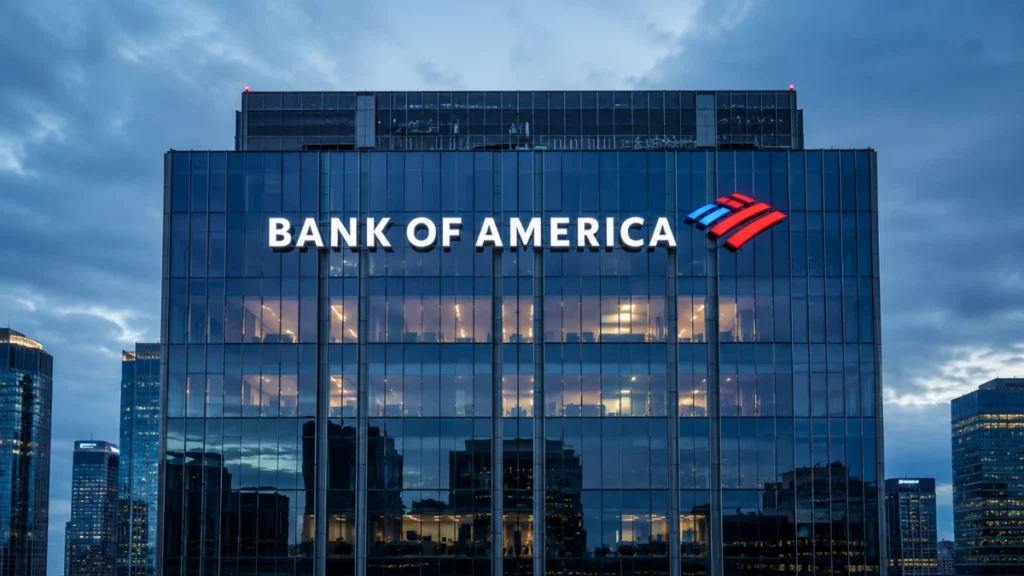
Breaking Down the Bank of America Q2 Earnings 2026 Performance
Institutional investors were closely watching this specific release to gauge whether high borrowing costs were finally cracking the US economy. Fortunately, the raw data paints a picture of exceptional operational execution. The Charlotte-based institution reported a staggering total revenue of $31.56 billion for the second quarter, effectively crushing early Wall Street forecasts.
Furthermore, the bank posted a solid GAAP profit of $1.21 per share. This profitability metric highlights their ongoing ability to generate massive net interest income while maintaining strict internal expense controls.
By successfully charging more for loans while keeping deposit costs relatively stable, the firm managed to widen its profit margins significantly without triggering a dangerous wave of credit defaults.
Read Also-Semiconductor Stock Rout 2026: Why Tech Shares Are Plummeting Today
What This Means for Everyday Consumers
Beyond corporate profitability, this financial update serves as a critical barometer for everyday American spending habits.
A revenue beat of this magnitude strongly suggests that retail banking customers are still swiping their credit cards, traveling, and managing their monthly debt obligations relatively well despite broader economic anxiety.
For portfolio managers desperately looking for stability during the current tech and semiconductor rout, traditional financial institutions are suddenly emerging as highly attractive, defensive wealth preservers for the remainder of the summer trading season.
Read Also- US Inflation Fears July 2026: Why Wall Street Just Triggered a Massive Selloff

Diana Luci is a U.S.-based Latest and financial news writer covering Social Security, IRS tax updates, SNAP benefits, Medicare, and government assistance programs. She focuses on simplifying complex financial and policy topics into clear, easy-to-understand information for everyday readers.