As several states aggressively push forward with stricter welfare policies this year, understanding the fine print of your federal healthcare coverage is more crucial than ever. For millions of low-income Americans, securing a Medicaid work requirements exemption is now the only viable way to maintain their essential health benefits without logging the newly mandated 80 hours of monthly labor. With recent legislative shifts redefining exactly who is considered too vulnerable to work, many beneficiaries are actively scrambling to figure out if their medical status still protects them.
Here is a detailed look at the updated eligibility criteria, the controversial new exclusions, and the steps you must take to safeguard your healthcare access.
Read Also- Arkansas SNAP Nutrition Waiver: State Bans Soda and Candy from Food Stamps
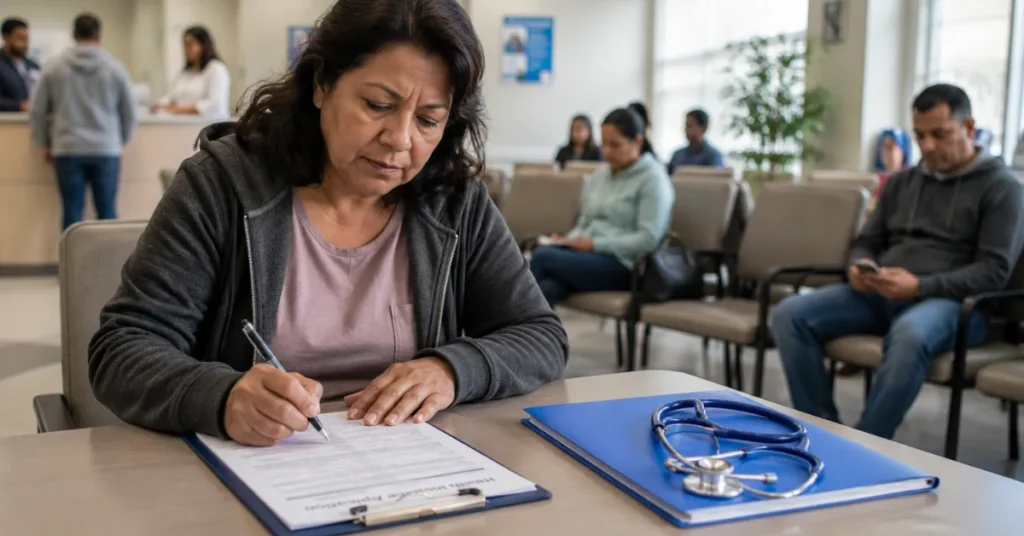
Who Qualifies for a Medicaid Work Requirements Exemption Today?
To avoid losing coverage, recipients who cannot participate in the workforce must be officially certified by the state. The most common pathway to bypass the labor mandate is by qualifying as “Medically Frail.”
While exact definitions can vary slightly depending on your state’s specific waiver, the 2026 guidelines generally grant an exemption if you fall into one of the following categories:
- Severe Medical Conditions: Individuals dealing with acute, disabling physical or mental health conditions that prevent standard employment.
- Pregnancy and Postpartum: Pregnant women are universally protected, often with the waiver extending up to one year postpartum.
- Primary Caregivers: Adults who serve as the sole, full-time caretaker for a dependent child (usually under the age of 6) or an incapacitated family member.
- Chronic Illness Management: Patients requiring intensive, ongoing medical treatments like chemotherapy or daily dialysis.
Read Also- Medicare Home Health Payment 2027: CMS Announces New Base Rates and Quality Updates
The Controversy Surrounding Substance Recovery
While the standard medical exemptions remain intact, a major political debate has erupted regarding addiction recovery.
Under the newest state-directed rollouts, the medical exemption is facing strict new limitations. Specifically, lawmakers have determined that individuals who have been in active recovery from a Substance Use Disorder (SUD) for five years or more no longer automatically qualify as medically frail. They are now classified as able-bodied and must fulfill the monthly labor or community service quotas.
Healthcare advocates are strongly pushing back against this rule, arguing that it penalizes long-term sobriety and risks triggering relapses by cutting off vital mental health and prescription coverage for those transitioning back into the workforce.
If you believe you meet the criteria for protection, you cannot simply wait for the state to figure it out. You must proactively submit a signed Medical Hardship form from your primary care physician to your local human services office immediately.
Read Also- SNAP Work Requirements 2026: Massive Changes and New Age Limits Explained

Diana Luci is a U.S.-based Latest and financial news writer covering Social Security, IRS tax updates, SNAP benefits, Medicare, and government assistance programs. She focuses on simplifying complex financial and policy topics into clear, easy-to-understand information for everyday readers.