A growing number of Americans are cutting back on food delivery spending as rising living costs continue putting pressure on household budgets across the United States in 2026.
Financial experts say many consumers are becoming more aware of how quickly delivery fees, service charges, and tips can increase the total cost of everyday meals.
Recent discussions across social media and personal finance communities show that more households are now trying to reduce convenience spending and focus on cheaper meal options at home.
Americans Are Using Buy Now Pay Later Services More Carefully in 2026
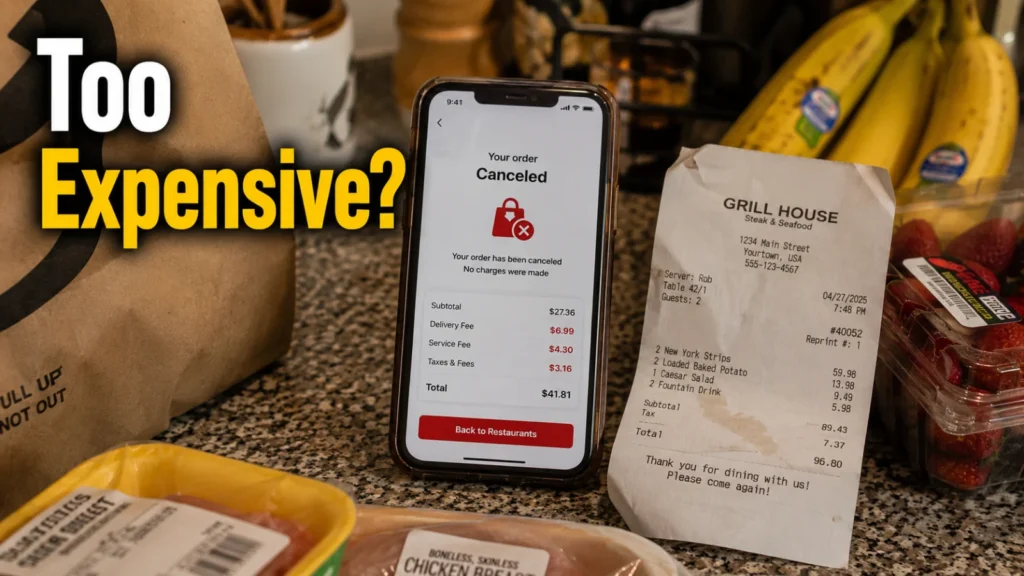
Food Delivery Costs Are Becoming Harder To Ignore
Food delivery apps became extremely popular in recent years because they offered:
- Convenience
- Fast Service
- Easy Ordering
- Wide Restaurant Choices
However, many consumers now say the real cost of delivery orders feels significantly higher than expected once:
- Delivery Fees
- Service Charges
- Tips
- Taxes
- Surge Pricing
are added to the final bill.
Some Americans report paying nearly double the original meal price after extra charges are included.
Finance experts say repeated delivery spending can quietly become a major monthly expense for households already dealing with inflation.
More Consumers Are Cooking At Home Again
As financial pressure continues growing, many Americans are returning to:
- Home Cooking
- Meal Planning
- Grocery Budgeting
- Bulk Shopping
- Leftover Meals
to reduce spending.
Some households say preparing food at home feels more financially realistic than paying high delivery costs multiple times per week.
Budget-conscious consumers are also sharing cheaper meal ideas and grocery-saving routines online.
Experts believe this shift reflects growing financial caution among younger Americans.
Americans Are Delaying Major Purchases as Financial Anxiety Grows in 2026
Younger Consumers Are Changing Spending Habits
Consumer behavior analysts say Gen Z and millennials are becoming more selective about convenience spending in 2026.
Many younger consumers report feeling financially stretched because of:
- High Rent Costs
- Student Loans
- Subscription Spending
- Credit Card Debt
- Everyday Living Expenses
As a result, some households are cutting back on:
- Food Delivery
- Impulse Purchases
- Luxury Coffee Drinks
- Frequent Dining Out
to improve budgeting and long-term savings.
Social Media Is Influencing Budget Culture
Budgeting and “low-spend lifestyle” discussions continue growing across TikTok, YouTube, and Reddit.
Popular videos now focus on:
- Cheap Homemade Meals
- Grocery Budget Challenges
- Meal Prep Routines
- Delivery App Spending Reality
- Saving Money Habits
Some creators are encouraging followers to calculate how much they spend monthly on food delivery apps compared to grocery shopping.
Experts say these online discussions are making consumers more aware of small recurring expenses.
Experts Recommend Tracking Convenience Spending
Financial professionals say convenience spending often feels harmless because purchases are smaller individually.
However, experts warn that repeated spending on:
- Delivery Apps
- Ride Services
- Coffee Orders
- Convenience Purchases
can significantly affect monthly budgets over time.
Finance experts recommend:
- Tracking Delivery Spending
- Setting Weekly Food Budgets
- Cooking More Meals At Home
- Limiting Impulse Orders
to improve financial control.
More Americans Are Starting “No-Buy Months” to Fight Rising Living Costs
Financial Stress Continues Across The U.S.
Economic uncertainty remains one of the biggest concerns affecting American households in 2026.
Online discussions surrounding:
- Inflation
- Budgeting
- Debt Stress
- Grocery Costs
- Financial Anxiety
continue growing across personal finance communities and social media platforms.
Experts believe cautious spending habits may continue shaping consumer behavior throughout the year.
Conclusion
The growing number of Americans reducing food delivery spending highlights how financial pressure is changing everyday habits across the country.
As living costs remain elevated, more consumers appear focused on practical budgeting and smarter long-term spending decisions.

Diana Luci is a U.S.-based Latest and financial news writer covering Social Security, IRS tax updates, SNAP benefits, Medicare, and government assistance programs. She focuses on simplifying complex financial and policy topics into clear, easy-to-understand information for everyday readers.