A growing number of Americans are participating in “No-Buy Month” challenges as financial pressure and rising everyday expenses continue affecting households across the United States in 2026.
The budgeting trend has become increasingly popular across TikTok, YouTube, Reddit, and personal finance communities, where users challenge themselves to avoid unnecessary purchases for an entire month.
Financial experts say the movement reflects a broader shift toward more cautious spending habits as inflation and economic uncertainty remain major concerns for many consumers.
Millions of Americans Are Delaying Retirement as Living Costs Continue Rising
What Is a “No-Buy Month”?
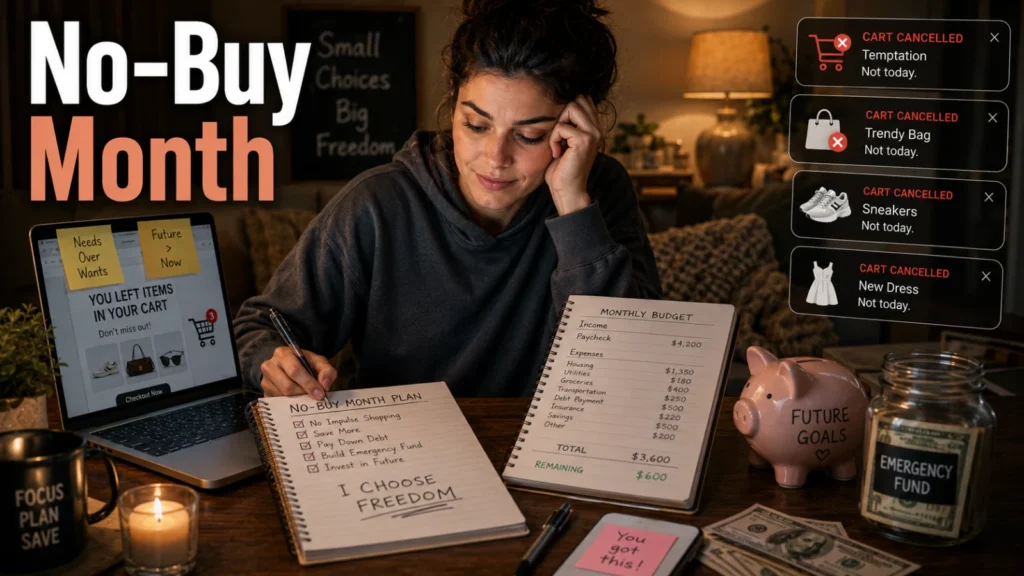
A “No-Buy Month” is a personal budgeting challenge where consumers temporarily stop spending money on non-essential items.
Most participants still pay for necessities like:
- Rent
- Groceries
- Utilities
- Transportation
- Healthcare
However, they avoid optional spending such as:
- Online Shopping
- Dining Out
- Clothing Purchases
- Impulse Buys
- Entertainment Spending
- Luxury Coffee Drinks
- Unused Subscriptions
The goal is usually to:
- Save Money
- Reduce Impulse Spending
- Pay Off Debt
- Improve Budget Awareness
Why The Trend Is Growing in 2026
Financial analysts say more Americans are becoming concerned about:
- Inflation
- Credit Card Debt
- Emergency Savings
- Job Uncertainty
- Rising Household Costs
As a result, many consumers are now looking for practical ways to reduce monthly spending without making permanent lifestyle changes.
Social media has also helped popularize the challenge through:
- Budgeting Videos
- Savings Trackers
- Spending Diaries
- Financial Progress Updates
Some users online say the challenge helps them become more aware of emotional and unnecessary spending habits.
Why More Young Americans Are Quietly Leaving Instagram for Smaller Online Communities
Younger Americans Are Leading The Movement
Finance experts say Gen Z and millennials are among the most active groups participating in “No-Buy” challenges.
Many younger consumers report feeling overwhelmed by:
- Constant Online Advertising
- Influencer Shopping Culture
- Buy-Now-Pay-Later Apps
- Social Media Spending Pressure
As a result, some Americans are now embracing:
- Minimalist Lifestyles
- Intentional Spending
- Digital Detox Habits
- Budget Challenges
to improve financial discipline.
Social Media Is Changing Money Habits
Videos related to budgeting and “low-spend living” have continued gaining millions of views online throughout 2026.
Creators often share:
- Weekly Spending Updates
- Grocery Budget Tips
- Savings Goals
- Debt Payoff Strategies
- Money-Saving Challenges
Financial behavior analysts say online finance communities are increasingly influencing how younger Americans think about spending and saving.
Experts Say The Trend Has Benefits
Personal finance professionals say “No-Buy Months” may help consumers:
- Build Better Spending Awareness
- Reduce Financial Stress
- Increase Savings
- Break Impulse Buying Habits
- Identify Unnecessary Expenses
However, experts also caution against treating budgeting challenges as extreme financial restrictions.
Instead, many recommend using them as short-term financial reset periods.
Americans Are Spending More Money on “Tiny Luxuries” Despite Economic Concerns
Financial Anxiety Continues Across The U.S.
Economic concerns remain a major topic across the United States as consumers continue adjusting to higher living expenses.
Online discussions surrounding:
- Budgeting
- Inflation
- Saving Money
- Debt Stress
- Financial Burnout
have become increasingly common across finance-focused communities and social media platforms.
Experts believe cautious spending habits may continue growing throughout 2026 as consumers prioritize financial stability.
Conclusion
The growing popularity of “No-Buy Month” challenges highlights how many Americans are becoming more intentional about spending during uncertain economic times.
As budgeting trends continue spreading online, more consumers appear focused on saving money, reducing unnecessary purchases, and improving long-term financial habits.

Diana Luci is a U.S.-based Latest and financial news writer covering Social Security, IRS tax updates, SNAP benefits, Medicare, and government assistance programs. She focuses on simplifying complex financial and policy topics into clear, easy-to-understand information for everyday readers.