More Americans are delaying retirement plans in 2026 as rising living expenses, healthcare costs, and economic uncertainty continue putting pressure on household finances across the United States.
Recent financial discussions across major U.S. business and finance publications show that many older Americans are becoming increasingly concerned about whether their savings will be enough to support long-term retirement goals.
Financial experts say inflation and higher everyday costs are forcing some workers to remain employed longer than originally planned.
Millions of Americans Could See Higher Credit Card Costs This Summer

Why Retirement Plans Are Changing
According to retirement analysts, many Americans expected to retire earlier but are now reconsidering those plans because of:
- rising housing costs
- healthcare expenses
- higher insurance payments
- inflation
- growing debt
Some households are also worried about how long retirement savings will last in an uncertain economic environment.
Finance experts say market volatility and increased living costs have made long-term financial planning more difficult for many families.
Healthcare Costs Remain A Major Concern
Healthcare expenses continue to be one of the biggest financial worries for older Americans.
Experts say many people underestimate how much money may be needed for:
- medical care
- prescription drugs
- insurance premiums
- emergency health expenses
As healthcare costs continue rising, some workers are choosing to delay retirement in order to maintain employer-sponsored insurance coverage longer.
Financial planners say medical expenses are now playing a bigger role in retirement decisions than ever before.
Inflation Is Affecting Everyday Spending
Although inflation has slowed compared to previous years, many Americans still say everyday expenses remain high.
Consumers continue facing elevated costs connected to:
- groceries
- utilities
- gas
- travel
- home maintenance
As a result, some retirees and near-retirees are becoming more cautious about large financial decisions.
Experts say even small increases in monthly expenses can significantly affect long-term retirement budgets.
Americans Are Spending More Money on “Tiny Luxuries” Despite Economic Concerns
More Americans Are Working Longer
Recent workforce trends show a growing number of older Americans continuing to work beyond traditional retirement age.
Some workers say they enjoy remaining active professionally, while others say financial concerns are the primary reason they are delaying retirement.
Part-time work, consulting, and flexible remote jobs have also become increasingly popular among older workers looking for additional income.
Financial analysts believe this trend may continue growing throughout 2026 as economic uncertainty remains a major concern.
Experts Encourage Long-Term Financial Planning
Finance professionals recommend Americans regularly review:
- retirement savings goals
- investment strategies
- monthly spending
- emergency funds
- healthcare planning
Experts also encourage consumers to avoid relying entirely on Social Security benefits for retirement income whenever possible.
Several financial planners say early preparation remains one of the most important ways to reduce retirement-related stress later in life.
Financial Stress Continues Across The U.S.
Online discussions about:
- retirement anxiety
- financial burnout
- inflation pressure
- savings concerns
have become increasingly common across social media and personal finance communities.
Experts say many Americans are becoming more focused on financial stability and long-term budgeting as economic uncertainty continues.
Why More Young Americans Are Quietly Leaving Instagram for Smaller Online Communities
Conclusion
As living costs remain elevated across the United States, millions of Americans are rethinking retirement plans and long-term financial goals.
Experts believe careful budgeting, healthcare planning, and retirement preparation will become increasingly important throughout 2026.
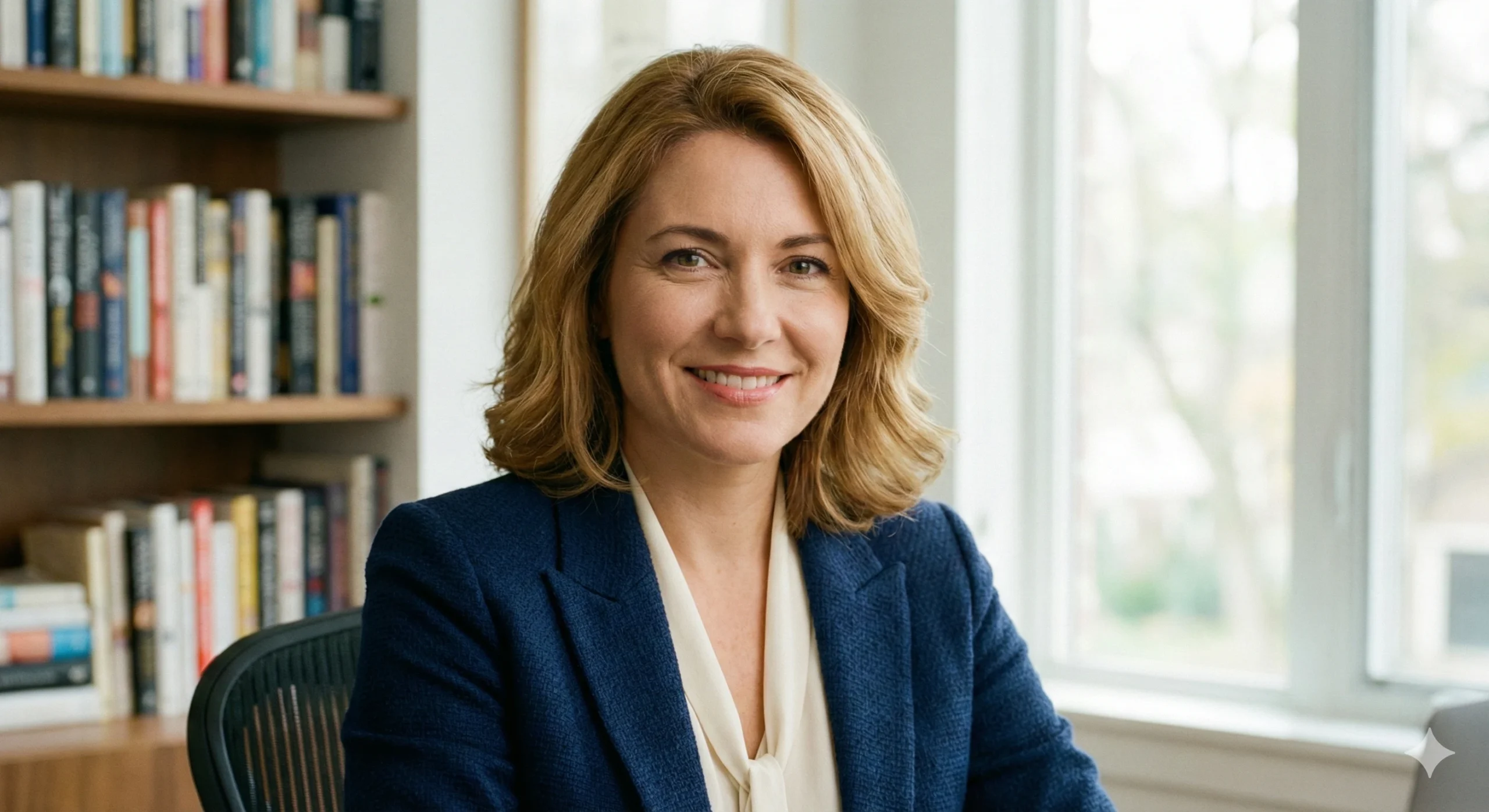
Diana Luci is a U.S.-based Latest and financial news writer covering Social Security, IRS tax updates, SNAP benefits, Medicare, and government assistance programs. She focuses on simplifying complex financial and policy topics into clear, easy-to-understand information for everyday readers.