A growing number of Americans are moving toward “quiet saving” habits in 2026 as financial pressure, inflation, and economic uncertainty continue affecting spending behavior across the United States.
The trend has recently gained attention across social media and personal finance communities, where users say they are becoming less interested in showing luxury purchases online and more focused on building savings privately.
Financial experts say the shift reflects changing attitudes toward money, especially among younger Americans dealing with rising living costs and long-term financial stress.
More Americans Are Starting “No-Buy Months” to Fight Rising Living Costs
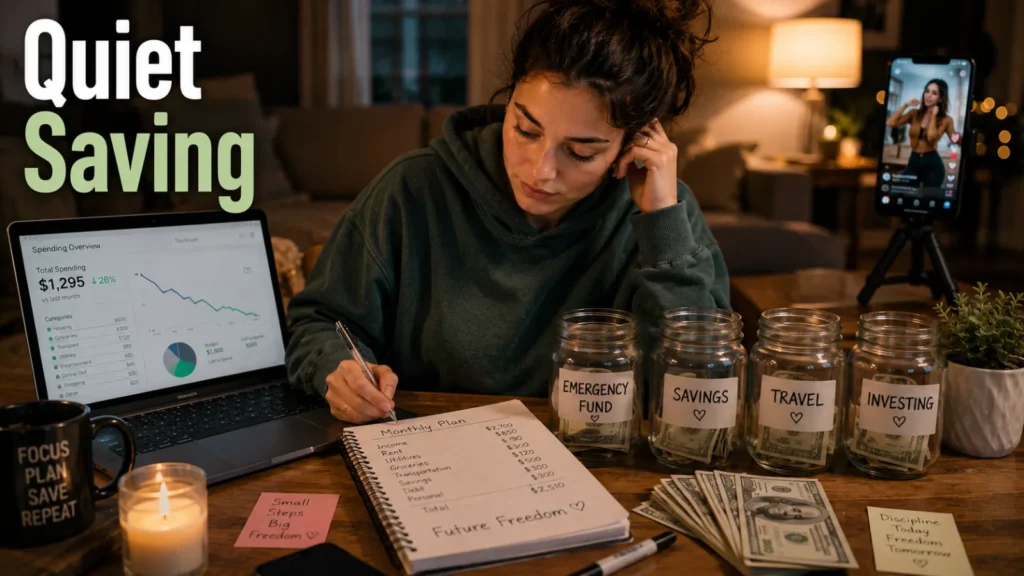
What Is “Quiet Saving”?
“Quiet saving” generally refers to low-profile financial habits focused on:
- Saving Money
- Reducing Unnecessary Spending
- Avoiding Lifestyle Inflation
- Building Emergency Funds
- Paying Off Debt
Unlike older social media trends centered around luxury lifestyles and visible spending, quiet saving focuses more on financial stability and long-term security.
Some Americans are now choosing to:
- Skip Expensive Vacations
- Cook More Meals at Home
- Limit Impulse Shopping
- Reduce Subscription Spending
- Avoid Frequent Upgrades
in order to improve financial health.
Why The Trend Is Growing in 2026
Financial analysts say many consumers are becoming more cautious because of:
- Inflation
- Rising Rent Costs
- Credit Card Debt
- Economic Uncertainty
- Job Market Concerns
As a result, some Americans are now prioritizing savings over social-media-driven spending habits.
Experts also say younger consumers are becoming increasingly aware of how online comparison culture can encourage unnecessary purchases and financial pressure.
Social Media Is Changing Financial Behavior
Finance-related content continues gaining popularity across TikTok, YouTube, Reddit, and Instagram.
However, instead of luxury spending videos, many users are now watching:
- Budgeting Content
- Savings Challenges
- Debt Payoff Stories
- Grocery Budget Tips
- Financial Reset Videos
Some creators have even started promoting “underconsumption” lifestyles focused on using products longer and avoiding unnecessary shopping.
Experts believe this reflects a broader cultural shift toward financial realism.
Americans Are Suddenly Using “Dumb Phones” Again-Here’s Why
Younger Americans Are Leading The Trend
Financial behavior experts say Gen Z and millennials are among the biggest supporters of quiet saving habits.
Many younger Americans report feeling financially overwhelmed by:
- Housing Costs
- Student Loans
- Everyday Expenses
- Social Media Pressure
- Economic Anxiety
As a result, some consumers are now embracing more practical financial habits instead of chasing expensive lifestyle trends online.
Experts Say Small Habits Matter
Finance professionals say even small budgeting changes may help improve long-term financial stability.
Common money-saving habits include:
- Tracking Monthly Expenses
- Reducing Impulse Purchases
- Setting Weekly Budgets
- Cooking at Home More Often
- Limiting Online Shopping
Experts also encourage consumers to build emergency savings whenever possible to prepare for unexpected financial situations.
Financial Stress Continues Across The U.S.
Economic concerns remain one of the biggest discussions across personal finance communities in 2026.
Online conversations surrounding:
- Budgeting
- Saving Money
- Financial Burnout
- Inflation
- Debt Stress
continue growing as consumers search for ways to improve financial security.
Experts believe cautious spending habits may remain popular throughout the year as Americans focus more on long-term financial stability.
Conclusion
The rise of “quiet saving” highlights how many Americans are rethinking spending habits during uncertain economic times.
As financial awareness continues growing online, more consumers appear interested in building savings privately and creating healthier long-term money habits.
Diana Luci is a U.S.-based Latest and financial news writer covering Social Security, IRS tax updates, SNAP benefits, Medicare, and government assistance programs. She focuses on simplifying complex financial and policy topics into clear, easy-to-understand information for everyday readers.