A growing number of Americans are switching to generic and store-brand products as rising living costs continue putting pressure on household budgets across the United States in 2026.
From groceries and household supplies to over-the-counter medications and personal care items, consumers are becoming more focused on saving money during everyday shopping trips.
Financial experts say the trend reflects changing consumer behavior as inflation and financial stress remain major concerns for many households.
More Americans Are Starting “Quiet Saving” Habits Instead of Showing Off Spending Online
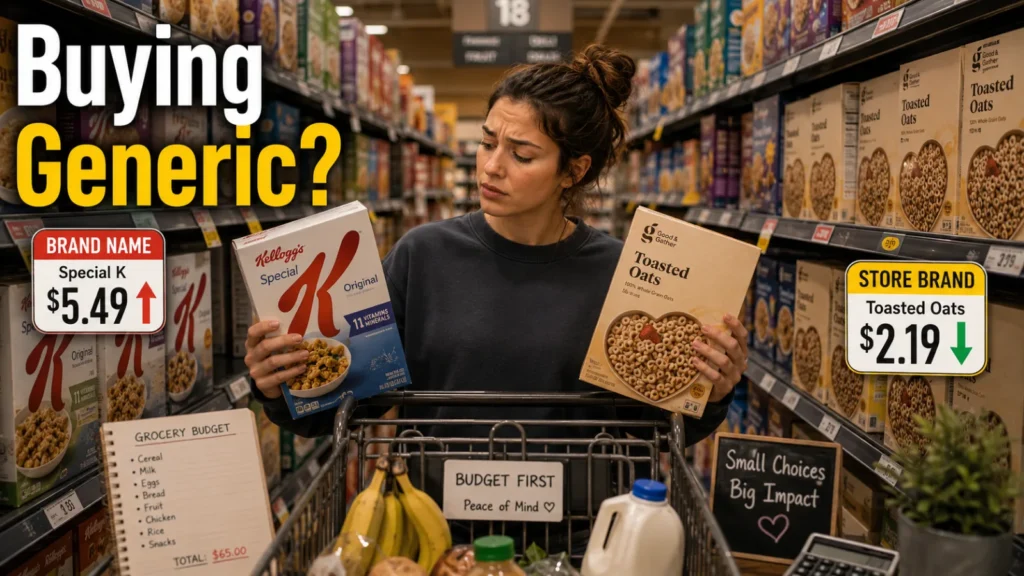
Why More Consumers Are Choosing Generic Brands
For years, many shoppers preferred well-known national brands for food, cleaning supplies, and household products.
However, higher prices and economic uncertainty are causing some Americans to rethink spending habits.
Consumers are increasingly purchasing:
- Store-Brand Groceries
- Generic Medications
- Budget Household Supplies
- Lower-Cost Snacks
- Private-Label Cleaning Products
- Affordable Personal Care Items
instead of premium or heavily advertised brands.
Many shoppers say small savings on everyday purchases can add up significantly over time.
Grocery Costs Continue Affecting Budgets
Even though inflation has slowed compared to previous years, grocery prices remain a major financial concern for many Americans.
Households continue facing higher costs connected to:
- Meat
- Dairy Products
- Snacks
- Beverages
- Household Essentials
- Restaurant Food
As a result, more consumers are comparing prices carefully and looking for cheaper alternatives during weekly shopping trips.
Finance experts say grocery spending remains one of the easiest areas where families can reduce monthly expenses.
Younger Americans Are Leading The Trend
Consumer behavior analysts say Gen Z and millennials are among the biggest groups driving the shift toward generic products.
Many younger shoppers are becoming more comfortable choosing lower-cost alternatives if product quality remains similar.
Social media has also helped normalize budget-conscious shopping habits through:
- Grocery Budget Videos
- Money-Saving Tips
- “Underconsumption” Trends
- Affordable Meal Planning
- Realistic Budget Content
Experts believe social attitudes around spending and brand loyalty are changing rapidly.
Americans Are Spending More Money on “Tiny Luxuries” Despite Economic Concerns
Retailers Are Expanding Store Brands
Major retailers across the United States are increasingly investing in private-label products as demand continues growing.
Experts say many stores are expanding lower-cost product lines because consumers are becoming more price-sensitive.
Some analysts believe store-brand products are also improving in quality, making them more attractive to shoppers looking to save money without sacrificing everyday convenience.
Small Savings Can Make A Difference
Financial professionals say reducing small recurring expenses may help households improve long-term budgeting.
Experts often recommend:
- Comparing Unit Prices
- Avoiding Impulse Purchases
- Shopping With Lists
- Tracking Grocery Spending
- Buying Only Necessary Items
to better manage rising living costs.
Consumers are also becoming more aware of how emotional spending and brand loyalty can affect monthly budgets.
Financial Stress Continues Across The U.S.
Economic uncertainty remains one of the biggest concerns for American households in 2026.
Online discussions surrounding:
- Grocery Spending
- Inflation
- Budgeting
- Saving Money
- Financial Anxiety
continue growing across social media and personal finance communities.
Experts say many Americans are becoming more cautious with everyday spending decisions as living costs remain elevated.
Conclusion
The growing popularity of generic products highlights how many Americans are adapting shopping habits during uncertain financial times.
As households continue searching for ways to reduce expenses, budget-conscious spending habits may continue growing throughout 2026.

Diana Luci is a U.S.-based Latest and financial news writer covering Social Security, IRS tax updates, SNAP benefits, Medicare, and government assistance programs. She focuses on simplifying complex financial and policy topics into clear, easy-to-understand information for everyday readers.