As we cross the halfway point of the year, millions of Americans are looking for ways to keep their backyards thriving despite the intense July heat. If you are struggling with scorched leaves or wilting flowers, mastering your summer gardening 2026 routine is absolutely critical right now. Instead of fighting the harsh mid-summer climate, landscape designers and local nurseries are encouraging homeowners to adapt with smarter watering techniques and heat-tolerant plant choices.
Whether you are a seasoned green thumb or just trying to keep your patio tomatoes alive, here is everything you need to know about navigating the July heat and the latest outdoor trends sweeping the nation.
Read Also-Viral Pickup Truck Moose Bear Encounter: Maine Couple Rescues Calf
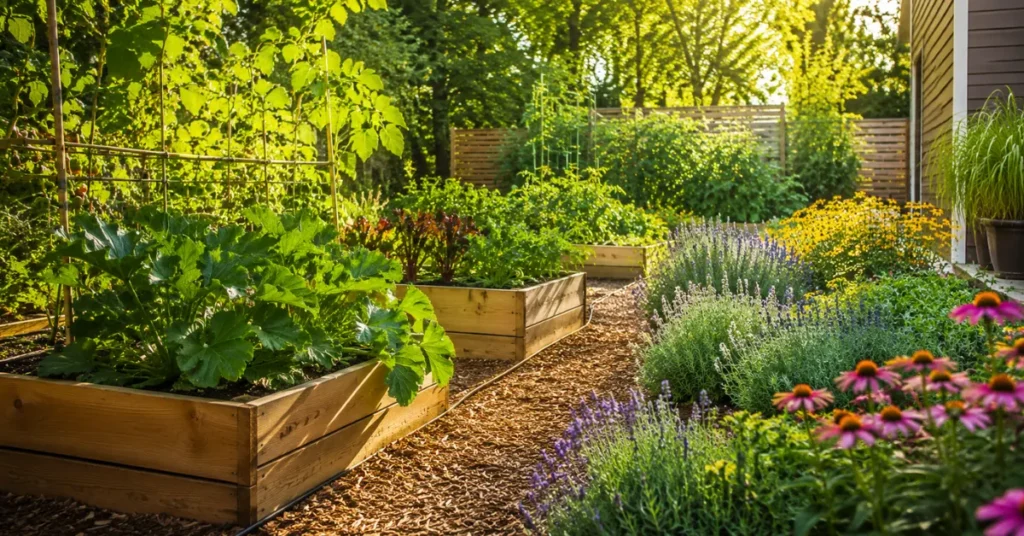
Essential Watering Rules for Summer Gardening 2026
The biggest mistake homeowners make during a July heatwave is watering their plants lightly every single day. When temperatures soar, shallow surface watering evaporates before the roots can actually absorb it.
To keep your landscape resilient, you must transition to deep, infrequent watering. You want to encourage the roots to dive deeper into the soil where it is naturally cooler and more moist. Here are the top hydration strategies for the current season:
- Soak the Roots: Use drip lines or soaker hoses instead of overhead sprinklers. Getting the water directly into the soil prevents leaf burn and reduces fungal diseases like tomato blight.
- Apply Thick Mulch: A solid three-inch layer of natural wood or pine straw mulch is your best defense against the sun. Studies show that a good mulch layer can keep root temperatures over 20 degrees cooler while simultaneously blocking aggressive summer weeds.
- Monitor Potted Plants: Container gardens dry out significantly faster than traditional beds. If you notice your patio pots need water twice a day, it might be time to gently re-pot them into larger containers with fresh, moisture-retaining soil.
Read Also-New Air Force One: High-Tech Flying Oval Office Faces Fresh Timeline Scrutiny
The Rise of “Lemonading” and Gravel Gardens
This year, outdoor design is shifting away from high-maintenance, water-guzzling lawns. According to the latest national horticulture reports, one of the biggest trends is “Lemonading” the concept of turning difficult, problem areas of your yard into resilient, joyful spaces.
Instead of battling drought-prone zones, Americans are heavily embracing gravel gardening and xeriscaping. By combining crushed gravel with tough, drought-tolerant perennials like Coneflowers, Salvia, and native ornamental grasses, you can create an incredibly chic, modern aesthetic that requires almost zero supplemental watering once established. This approach not only saves massive amounts on your monthly water bill but also supports local pollinators.
Yes, You Can Still Plant in July!
There is a common myth that once July hits, the planting season is completely over. While it is true that delicate spring veggies are done, there are still plenty of heat-loving crops you can put in the ground right now.
If you want a late-season harvest, this is the perfect window to plant seeds for okra, eggplant, hot peppers, and heat-tolerant melons. Furthermore, if you want your own homegrown pumpkins ready for Halloween carving, those seeds need to go into the ground immediately. Just remember that any new transplants will require close monitoring and consistent deep watering until their root systems are fully established to survive the August heat.
Read Also- US Clima Updates: Extreme July Heatwaves and Flash Floods

Diana Luci is a U.S.-based Latest and financial news writer covering Social Security, IRS tax updates, SNAP benefits, Medicare, and government assistance programs. She focuses on simplifying complex financial and policy topics into clear, easy-to-understand information for everyday readers.