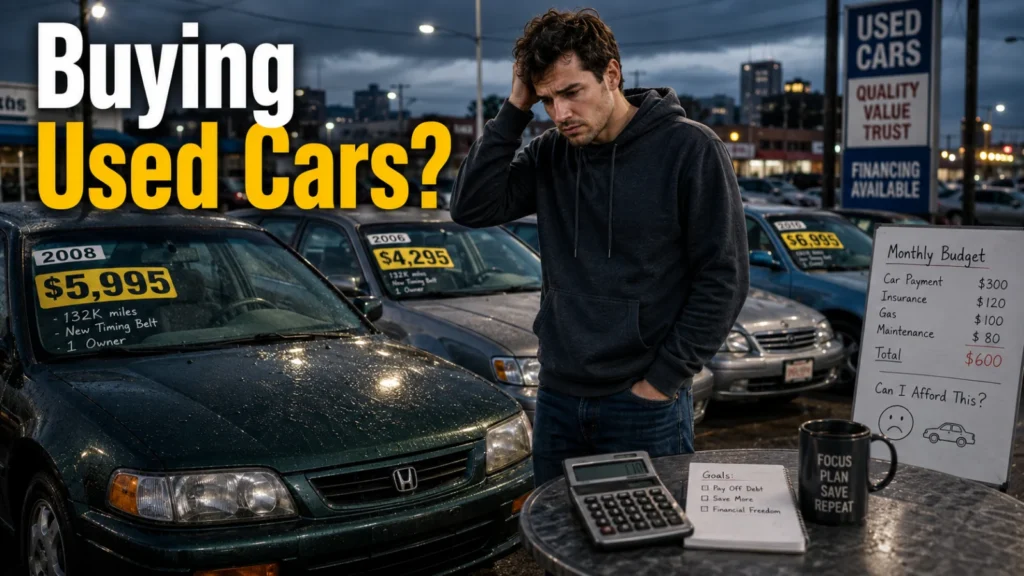
A growing number of Americans are choosing used Cars (vehicles) over brand-new cars as high auto prices and rising monthly payments continue affecting household budgets across the United States.
Financial analysts say many consumers are becoming more cautious about large purchases in 2026, especially as interest rates, insurance costs, and everyday expenses remain elevated.
The shift has become increasingly visible across the U.S. auto market, where buyers are focusing more on affordability and long-term financial flexibility instead of expensive upgrades.
New Car Prices Continue Pressuring Buyers
Over the past few years, vehicle prices across the United States have remained significantly higher than many consumers expected.
In addition to higher sticker prices, buyers are also dealing with:
- Expensive Monthly Payments
- Higher Insurance Costs
- Increased Repair Expenses
- Rising Loan Interest Rates
- Costly Vehicle Technology Packages
As a result, some Americans say brand-new vehicles no longer feel financially realistic for their current budgets.
Many consumers are now searching for reliable used vehicles that offer lower monthly costs and reduced financial pressure.
Americans Are Buying More Generic Products to Cut Everyday Spending
Used Vehicles Are Becoming More Attractive
Auto market experts say used cars are attracting buyers who want:
- Lower Monthly Payments
- Smaller Down Payments
- Cheaper Insurance
- Better Budget Flexibility
- Lower Financial Risk
Some consumers also believe used vehicles provide better overall value compared to expensive new models that depreciate quickly.
Online discussions surrounding “affordable driving” and practical car ownership have continued growing throughout 2026.
Younger Buyers Are Becoming More Budget-Focused
Consumer finance analysts say Gen Z and younger millennials are among the groups most actively reconsidering vehicle spending habits.
Many younger Americans report feeling financially stretched by:
- Housing Costs
- Student Loans
- Credit Card Debt
- Inflation
- Everyday Living Expenses
Because of this, some consumers are prioritizing:
- Reliability
- Fuel Efficiency
- Lower Maintenance Costs
- Affordable Financing
instead of luxury upgrades or high-end vehicle features.
Experts believe financial caution is influencing car-buying behavior more than status or brand image for many younger buyers.
More Americans Are Starting “No-Buy Months” to Fight Rising Living Costs
Social Media Is Influencing Spending Decisions
Car ownership and budgeting discussions continue spreading across TikTok, Reddit, and YouTube.
Popular videos now focus on:
- Affordable Car Ownership
- Used-Car Reviews
- Cheap Maintenance Tips
- Avoiding Large Auto Loans
- Financially Smart Purchases
Many creators are encouraging consumers to think carefully before taking on long-term car debt during uncertain economic conditions.
Experts say these discussions are making younger Americans more aware of the true cost of vehicle ownership.
Experts Warn About Long-Term Auto Debt
Finance professionals say large auto loans can create financial pressure for years, especially when combined with rising insurance and maintenance costs.
Experts recommend consumers:
- Compare Total Ownership Costs
- Review Loan Terms Carefully
- Avoid Overextending Budgets
- Research Vehicle Reliability
- Consider Long-Term Expenses
before purchasing a vehicle.
Some analysts also encourage buyers to focus more on affordability than emotional spending decisions.
Financial Caution Continues Growing
Economic uncertainty remains one of the biggest factors shaping consumer behavior across the United States in 2026.
Online discussions surrounding:
- Car Payments
- Interest Rates
- Household Budgets
- Inflation
- Financial Stress
continue growing as Americans search for ways to reduce long-term expenses.
Experts believe practical spending habits may continue influencing the auto market throughout the year.
Conclusion
The growing popularity of used vehicles highlights how many Americans are becoming more financially cautious about major purchases in 2026.
As living costs remain elevated, more consumers appear focused on affordability, flexibility, and long-term financial stability instead of expensive upgrades.
Americans Are Cutting Back on Subscription Services to Save Money in 2026

Diana Luci is a U.S.-based Latest and financial news writer covering Social Security, IRS tax updates, SNAP benefits, Medicare, and government assistance programs. She focuses on simplifying complex financial and policy topics into clear, easy-to-understand information for everyday readers.